Briefly:
- Dental equipment selection should weigh clinical function, servicing support, compliance with Australian infection control standards, and total lifecycle cost.
- Chairs, imaging systems, handpieces, and sterilisation equipment each carry different maintenance and validation requirements.
- Practices across Adelaide, SA can compare suppliers and servicing options before committing to a purchase or lease.
Choosing the right dental equipment means matching clinical needs with reliable servicing, verified compliance records, and a realistic budget for ongoing maintenance rather than purchase price alone. Dental chairs, imaging units, handpieces, and sterilisation devices each carry distinct demands, and getting the selection wrong can affect patient throughput and compliance outcomes for years.
Practices researching Dental Equipment typically compare several factors before committing: brand reliability, local servicing availability, financing options, and how well a supplier supports installation and troubleshooting after the sale. These considerations matter as much as the equipment specifications themselves, since a chair or imaging system is only as useful as the support behind it.
Core Categories of Dental Equipment
Most general and specialist practices build their equipment list around a handful of core categories. Each category has its own servicing cycle and compliance checkpoints.
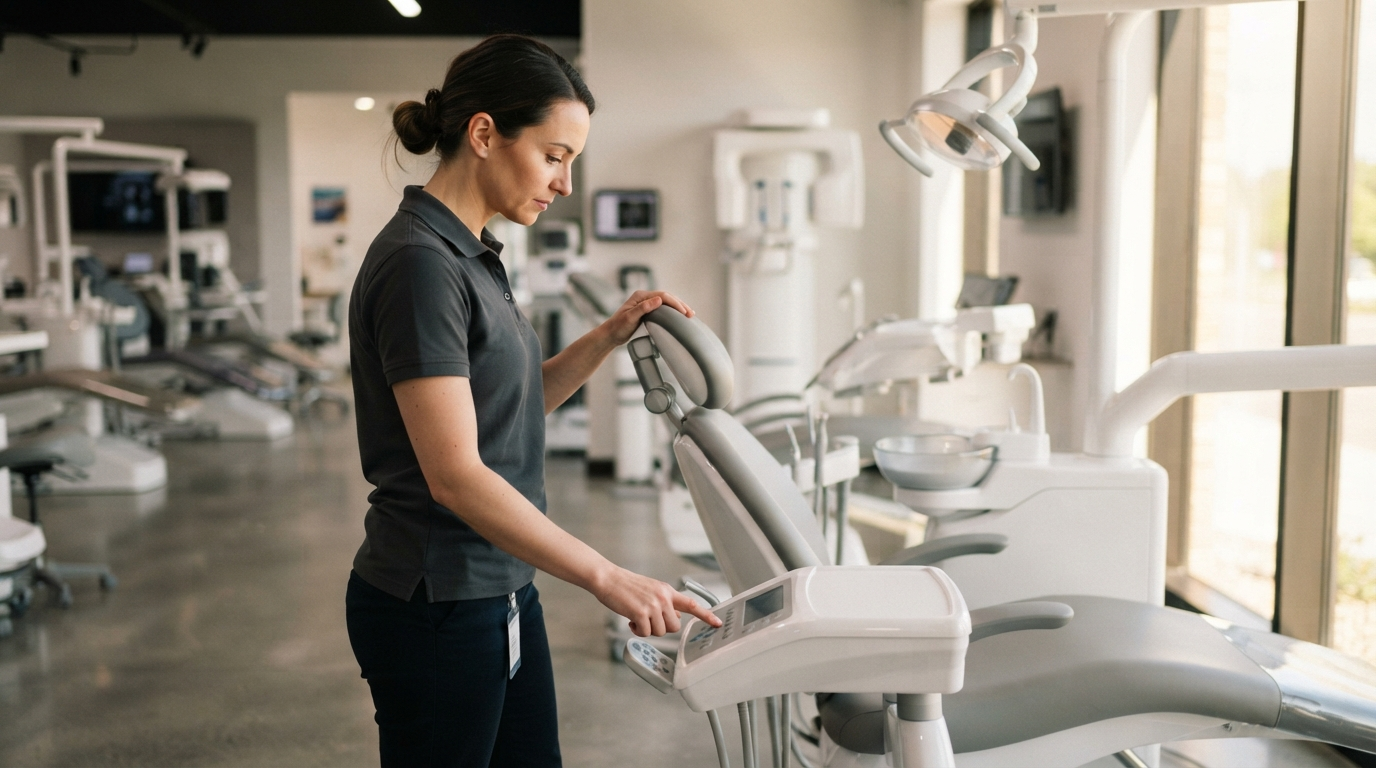
- Dental chairs and treatment centres – the central workstation for most clinical procedures, requiring periodic mechanical checks.
- Imaging systems – including X-ray and CBCT units, which involve radiation safety obligations in addition to routine servicing.
- Handpieces – high-wear items that need frequent cleaning, lubrication, and eventual replacement.
- Sterilisation equipment – autoclaves and related devices that must meet validation standards for infection control.
- Milling units – used in practices offering in-house restorative or laboratory work.
Compliance and Maintenance Considerations for Adelaide, SA Practices
Dental equipment in Australia is not regulated as a standalone product category, but practitioners are. The Dental Board of Australia sets expectations through professional codes and infection control guidelines that govern how equipment must be used, maintained, and documented, and these obligations apply uniformly to practices across Adelaide, SA.
Instrument reprocessing and sterilisation validation are especially scrutinised. Practices should track:
- Daily and weekly cleaning routines for reusable instruments.
- Annual validation of autoclaves and other sterilisation devices, a practice recommended by MES Australia in March 2025 for units following AS/NZS 4815.
- Documented servicing and maintenance records, which support audits and accreditation reviews.
Sound reprocessing practice also depends on routine inspection. According to the Australian Guidelines for the Prevention and Control of Infection in Healthcare, equipment and instrument surfaces should be regularly examined for breaks in integrity that would impair either cleaning or disinfection or sterilisation. Equipment that fails this check should be repaired or retired rather than kept in rotation.
Comparing Equipment Options
| Equipment Type | Typical Servicing Need | Key Consideration |
|---|---|---|
| Dental chairs | Periodic mechanical and upholstery checks | Patient comfort and ergonomic adjustment range |
| Imaging units (X-ray/CBCT) | Calibration and radiation safety checks | Compliance with imaging and radiation standards |
| Handpieces | Frequent lubrication and wear inspection | Replacement cycle and compatibility with existing systems |
| Sterilisation equipment | Annual validation, biological indicator testing | Alignment with AS/NZS 4815 and ADA infection control guidelines |
Weighing Purchase Against Lease or Rental
Equipment finance and rental arrangements are common in the dental sector, particularly for larger capital items such as treatment centres and imaging systems. Weekly rental options reduce upfront cost but extend the total spend over time, while outright purchase suits practices planning long-term use of a specific unit. Reviewing warranty terms, servicing inclusions, and upgrade pathways before signing any agreement helps avoid unexpected costs later.
Business Info
Based in Noble Park North VIC, Ivoclar Vivadent Pty. Ltd. supplies dental equipment and related servicing support to practices across Adelaide, SA. The business is associated with dental chairs, imaging systems, handpieces, and equipment servicing under brands including Stern Weber, Carestream Dental, and W&H Dental.
Frequently Asked Questions
How often should dental equipment be serviced? Servicing frequency depends on the equipment type. Sterilisation devices typically require annual validation, while handpieces and chairs benefit from more frequent inspection as part of daily and weekly maintenance routines.
What records should a practice keep for dental equipment compliance? Practices should maintain servicing, validation, and sterilisation records that align with Dental Board of Australia and infection control guideline requirements, as these support accreditation and audit processes.
Is leasing or buying dental equipment more cost-effective? This depends on practice cash flow and planned usage. Leasing suits practices wanting to limit upfront costs, while purchasing may suit those planning extended use of a specific unit without frequent upgrades.
Does equipment choice affect infection control compliance? Yes. Equipment that cannot be properly cleaned, disinfected, or validated according to current standards should be repaired or replaced, since this directly affects a practice’s ability to meet infection control obligations.
Current availability details for Ivoclar Vivadent Pty. Ltd. are published for the local service area.