The gist:
• Cosmetic teeth services cover treatments such as whitening, veneers, bonding, and smile makeovers that address tooth color, shape, and alignment.
• Treatment order matters: whitening is typically completed before veneers or bonding so new restorations match the brightened shade.
• Candidacy depends on oral health, since decay or gum disease should be addressed before any cosmetic procedure begins.
Cosmetic teeth services refer to dental treatments designed to improve the appearance of a smile rather than treat disease, including whitening, veneers, bonding, and full smile makeovers. These procedures address color, shape, spacing, and minor alignment issues through methods ranging from surface treatments to more permanent restorations.
Cosmetic teeth services typically fall into a few core categories that patients encounter when researching smile improvement options. According to information published by Holly B. Sletten DMD, the practice’s cosmetic offerings include teeth whitening, veneers, bonding, and smile makeovers. These categories reflect the standard range of options most general dentistry practices use to describe aesthetic treatment.
Common Treatment Types and What Each One Does
Each cosmetic option addresses a different concern, and dentists often combine them for a complete result.
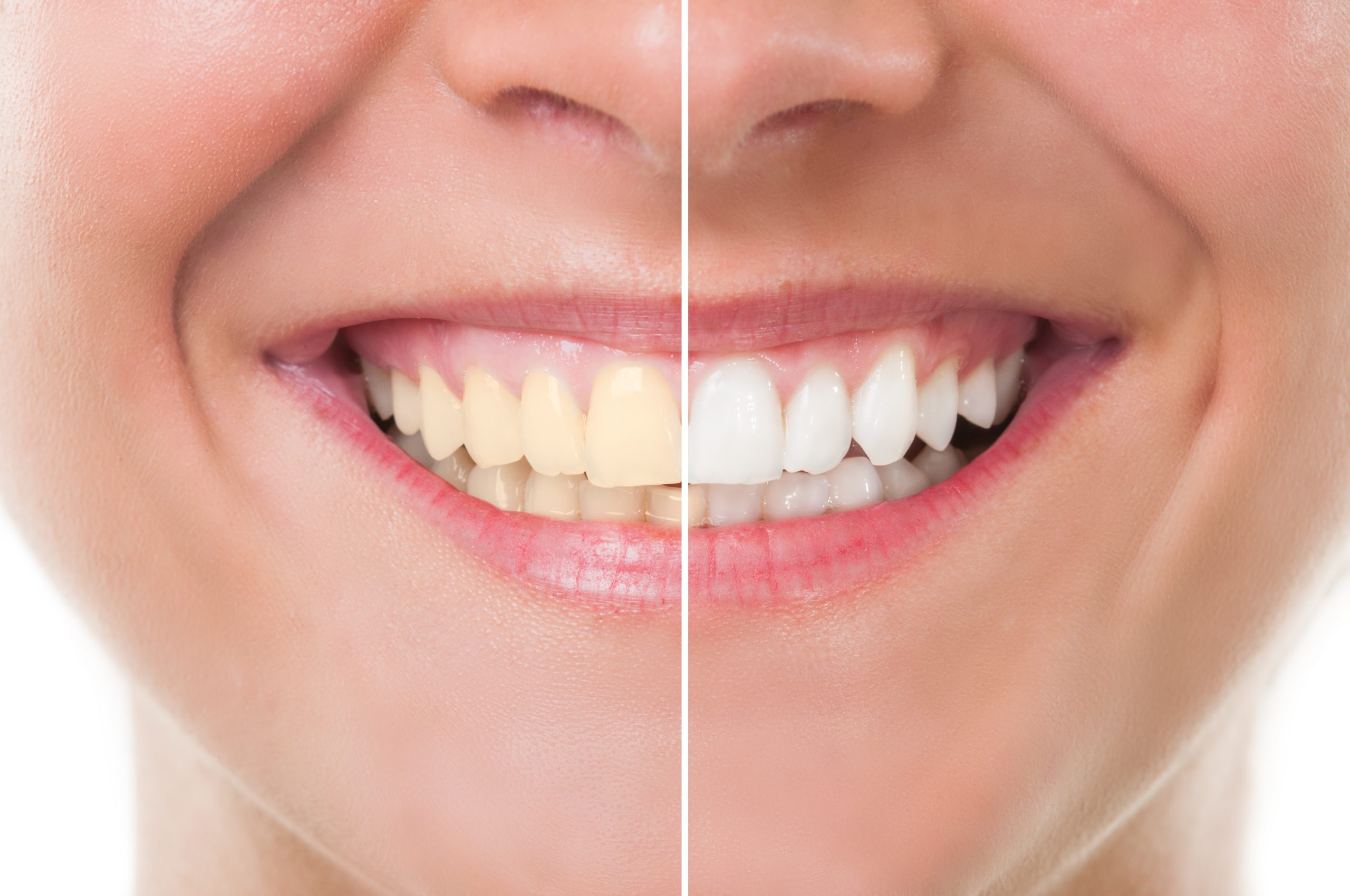
• Teeth whitening : Targets discoloration on natural enamel using peroxide-based gels.
• Veneers : Thin shells bonded to the front of teeth to correct shape, color, or minor gaps.
• Bonding : A tooth-colored resin applied to repair chips or reshape teeth without the lab work veneers require.
• Smile makeovers : A combination of the above treatments planned together for a comprehensive aesthetic result.
Each of these methods has different levels of permanence, cost, and maintenance, which is why professional evaluation is typically the starting point before any procedure begins.
Why Treatment Sequence Matters
Dental professionals generally recommend a specific order when multiple cosmetic treatments are planned together. Whitening is usually completed first because whitening should typically come before other cosmetic work like bonding or veneers, so those restorations can be color-matched to your new shade rather than the other way around. This sequencing prevents a mismatched appearance between natural teeth and permanent restorations.
Veneers also carry a distinct clinical consideration that differs from reversible treatments like whitening or short-term bonding touch-ups. Porcelain veneers require enamel removal, and ADA standards require your dentist to walk you through the risks and alternatives before treatment starts because the procedure is not reversible once completed. For readers evaluating long-term options, the American Dental Association’s oral health resources outline general guidance on whitening, veneers, and bonding.
Who Is a Candidate for Cosmetic Treatment
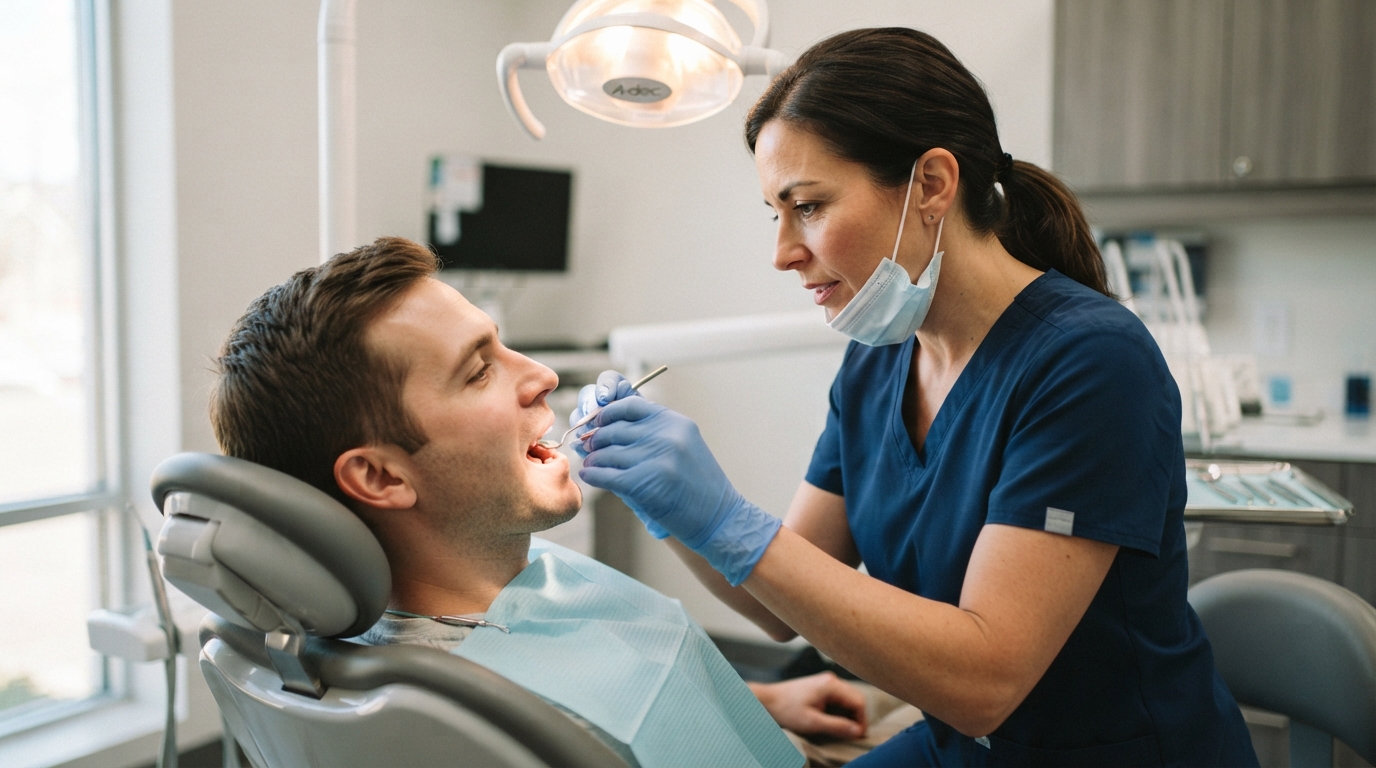
Not every patient is an immediate candidate for cosmetic work, since underlying oral health conditions take priority. Existing decay or gum disease should be addressed before cosmetic treatment, and a dentist will typically evaluate bite alignment and remaining tooth structure first.
| Treatment | Reversible | Typical Use |
| Whitening | Yes | Natural tooth discoloration only |
| Bonding | Partially | Minor chips, gaps, or shape changes |
| Veneers | No | Shape, color, or alignment correction |
A dentist’s evaluation helps determine which combination of treatments fits a patient’s dental history and cosmetic goals, rather than assuming one option suits every case.
Based in USA, Holly B. Sletten DMD serves patients in the Parker, CO area through its general dentistry practice. Residents considering cosmetic consultations in Parker, CO can expect the same evaluation standards used nationally, including a review of oral health before any aesthetic treatment begins.
Frequently Asked Questions
Does teeth whitening work on veneers or crowns? No. Only natural teeth can be whitened, not tooth-colored restorations such as crowns, veneers, bonding, or fillings, so existing restorations keep their original shade regardless of whitening treatments.
Is teeth whitening safe for everyone? Not automatically. The ADA recommends professional evaluation before starting any whitening regimen, particularly for patients with sensitivity, dark stains, or existing dental work.
How long do veneers typically last? Veneers are considered a long-term commitment rather than a temporary cosmetic fix, and they are a commitment, rather than a temporary way to try a new smile, since the enamel removal involved cannot be undone.
Should whitening happen before or after bonding or veneers? Whitening is generally completed first. Bonding and veneers get color-matched to your new shade after whitening is finished, not the other way around.
Business Info
Cosmetic treatment planning depends on an individual evaluation of oral health, tooth structure, and aesthetic goals rather than a single standard protocol. Details about available cosmetic dentistry procedures help patients understand potential treatments, compare options, and make informed decisions based on their dental needs.
A Note on Scheduling Information
Current availability details for Holly B. Sletten DMD are published for the local service area.