In brief:
- Ask about load calculations, equipment sizing, SEER2 ratings, and warranty terms before signing any replacement contract.
- Florida’s Southeast climate zone requires new split-system air conditioners to meet a 14.3 SEER2 minimum for units under 45,000 BTU/h.
- A written scope of work covering duct inspection, permitting, and startup testing helps avoid delays or added costs.
A failing air conditioner rarely gives much warning before it stops cooling altogether, and homeowners often rush into a replacement decision without asking the right questions. Choosing a qualified Air Conditioning Replacement Contractor means confirming how the contractor sizes equipment, what standards the new system must meet, and how the installation will be documented from start to finish. Jacksonville, FL homeowners face specific climate and code considerations that make these questions especially relevant before any contract is signed.
Why Equipment Sizing and Efficiency Questions Matter
An oversized or undersized air conditioner wastes energy and shortens equipment life, so sizing methodology should be one of the first topics raised with any contractor.
- Ask whether a room-by-room load calculation was performed or whether sizing is based only on the old unit’s capacity.
- Request the SEER2 rating of the proposed system and confirm it meets regional minimums.
- Ask how ductwork condition factors into the sizing recommendation.
Florida falls in the Southeast efficiency region, where split-system air conditioners under 45,000 BTU/h must meet a 14.3 SEER2 minimum, while larger units carry a 13.8 SEER2 floor. A contractor who cannot speak clearly to these figures may not be accounting for current Department of Energy requirements.
Questions About the Installation Process
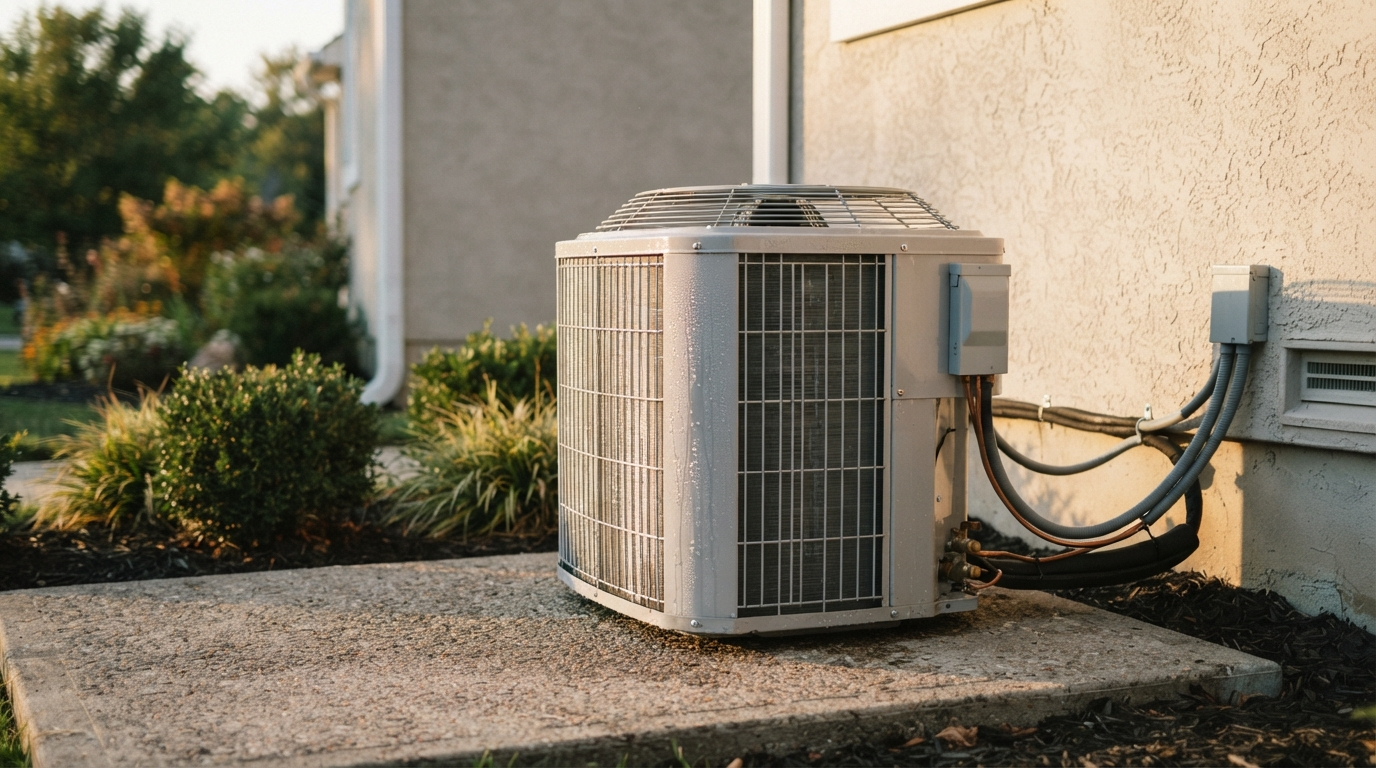
The physical replacement process involves more than swapping an outdoor condenser, and homeowners benefit from understanding each stage before work begins.
- What does the scope of work include beyond equipment removal and installation?
- Will duct connections, electrical components, and the condensate drain be inspected or updated?
- Is a permit required for the job, and who pulls it?
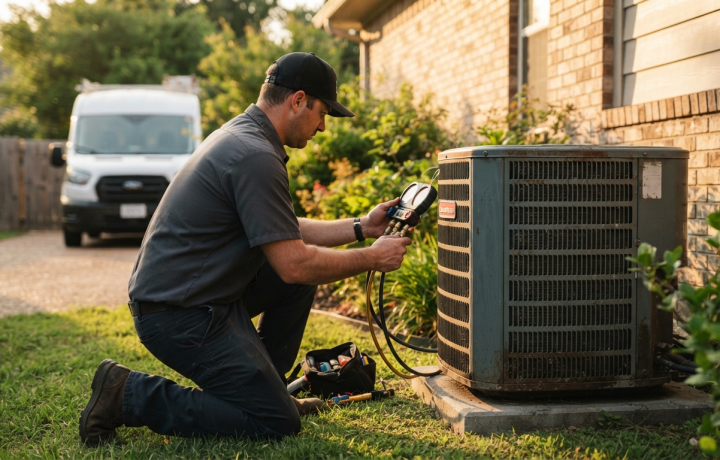
- How is the system tested and verified once installation is complete?
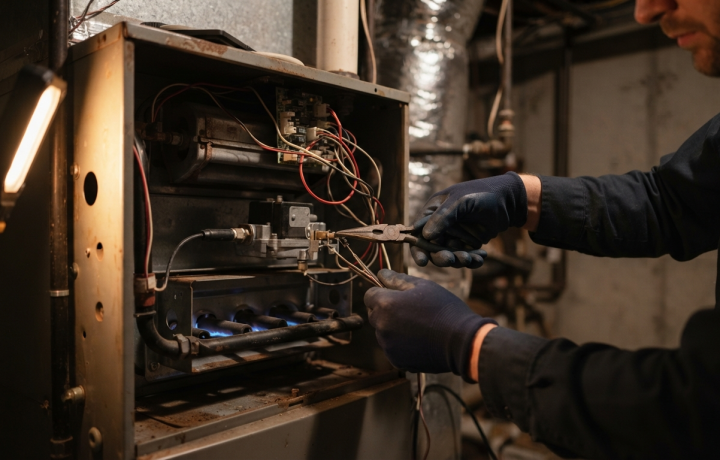
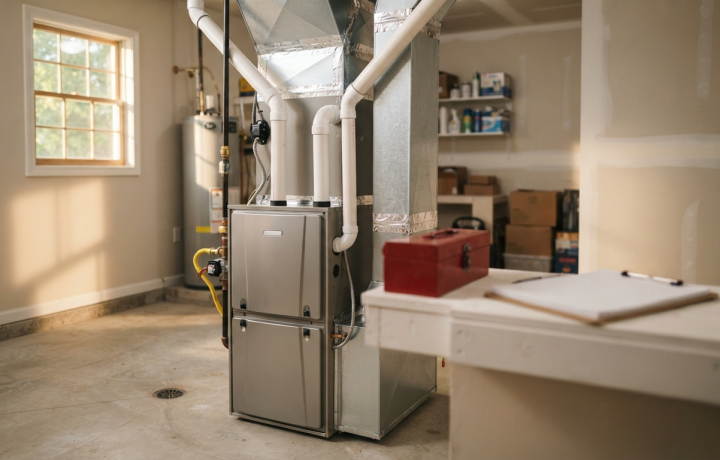
Replacing an HVAC system typically involves removing old equipment, updating duct connections, and confirming the new setup meets current performance and safety standards. Asking for a written description of these steps, rather than a verbal summary, helps homeowners compare quotes accurately.
Comparing Warranty and Maintenance Terms
Warranty coverage varies widely between contractors and manufacturers, so this comparison deserves direct questions before a decision is made.
| Question Area | What to Ask | Why It Matters |
|---|---|---|
| Manufacturer warranty | Length of parts coverage and registration requirements | Unregistered equipment may default to a shorter term |
| Labor warranty | Separate from parts, often shorter | Covers installation errors after startup |
| Maintenance plans | Whether tune-ups are included or sold separately | Affects long-term system reliability |
| Service response | Availability for follow-up visits | Impacts how quickly issues get resolved |
A maintenance plan that includes a multi-point inspection can help extend the life of new equipment, so it is reasonable to ask whether tune-up visits are bundled with the replacement or billed separately afterward.
Verifying Licensing and Local Experience
Confirming a contractor’s licensing status and familiarity with local permitting rules reduces the risk of code violations or failed inspections.
- Ask to see current state licensing and liability insurance documentation.
- Confirm whether the contractor pulls permits directly or expects the homeowner to do so.
- Ask how many similar replacements the technicians have completed in the past year.
Businesses operating in this space are structured in different ways regionally. Based in USA, A1A Heat & Air serves customers across Jacksonville, FL, and its published service pages describe residential air conditioning installation and replacement among its core offerings.
Frequently Asked Questions
How long does a typical AC replacement take? Most single-system residential replacements are completed within a single day once the correct equipment is on site, though complex duct modifications can extend the timeline.
Do I need a permit to replace my air conditioner? Permit requirements vary by jurisdiction, and a qualified contractor should be able to confirm local rules and handle the application process as part of the project.
What happens if the new system is the wrong size? An incorrectly sized system can short-cycle, run inefficiently, or fail to cool the home evenly, which is why a load calculation should precede any equipment recommendation.
Should duct inspection be included in a replacement quote? Duct condition affects overall system performance, so it is reasonable to expect a visual duct inspection as part of a thorough replacement estimate.
Published details for Learn more about air conditioning services cover the local service area and listed offerings.