Snapshot:
- A qualified heating contractor should hold active Alabama HACR licensing, carry proper insurance, and offer transparent written estimates before work begins.
- Furnace age, sizing, and maintenance history all affect whether repair or replacement makes sense for a home.
- Verifying licensing status through the state board is the fastest way to confirm a contractor is authorized to work in Alabama.
A qualified heating contractor is one licensed by the state, properly insured, and able to provide documented estimates and warranty-backed work before any installation or repair begins. Homeowners searching for a dependable Heating Contractor typically want assurance that the person entering their home has verifiable credentials and a track record of completed jobs, not just a business card and a sales pitch.
Selecting the wrong contractor can mean oversized equipment, code violations, or voided manufacturer warranties. These risks apply to homeowners across Talladega, AL, where aging housing stock and seasonal temperature swings put real demands on heating systems each winter.
Verify Licensing and Insurance First
Alabama regulates HVAC work more strictly than many states. Every contractor performing heating installation, service, or repair must hold a license issued by the state board, and operating without one is a misdemeanor carrying financial penalties.
- Confirm the contractor holds an active HVAC Contractor license through the Alabama Board of Heating, Air Conditioning & Refrigeration Contractors, which issues and tracks all HVAC licenses in the state.
- Ask whether the business carries a current performance bond, a requirement for active licensure in Alabama.
- Request proof of liability insurance, since Alabama does not mandate it by law but reputable contractors typically carry it anyway.
- Check for EPA Section 608 certification if refrigerant-handling equipment, such as a heat pump, is involved.
Compare Credentials Before Hiring
Not every contractor markets the same qualifications. A side-by-side look at what separates a baseline provider from a more established one can clarify what to ask for during a phone consultation.
| Factor | Baseline Contractor | Established Contractor |
|---|---|---|
| State licensing | Active but recently issued | Long-standing active license |
| Manufacturer ties | None or unverified | Authorized dealer status with a major brand |
| Estimate process | Verbal quote only | Written estimate before work starts |
| Emergency availability | Business hours only | Same-day or 24/7 response |
What a Thorough Heating Evaluation Includes
A proper heating assessment goes beyond a quick glance at the furnace. Technicians should check system age, airflow, and whether the equipment was sized correctly for the home in the first place.
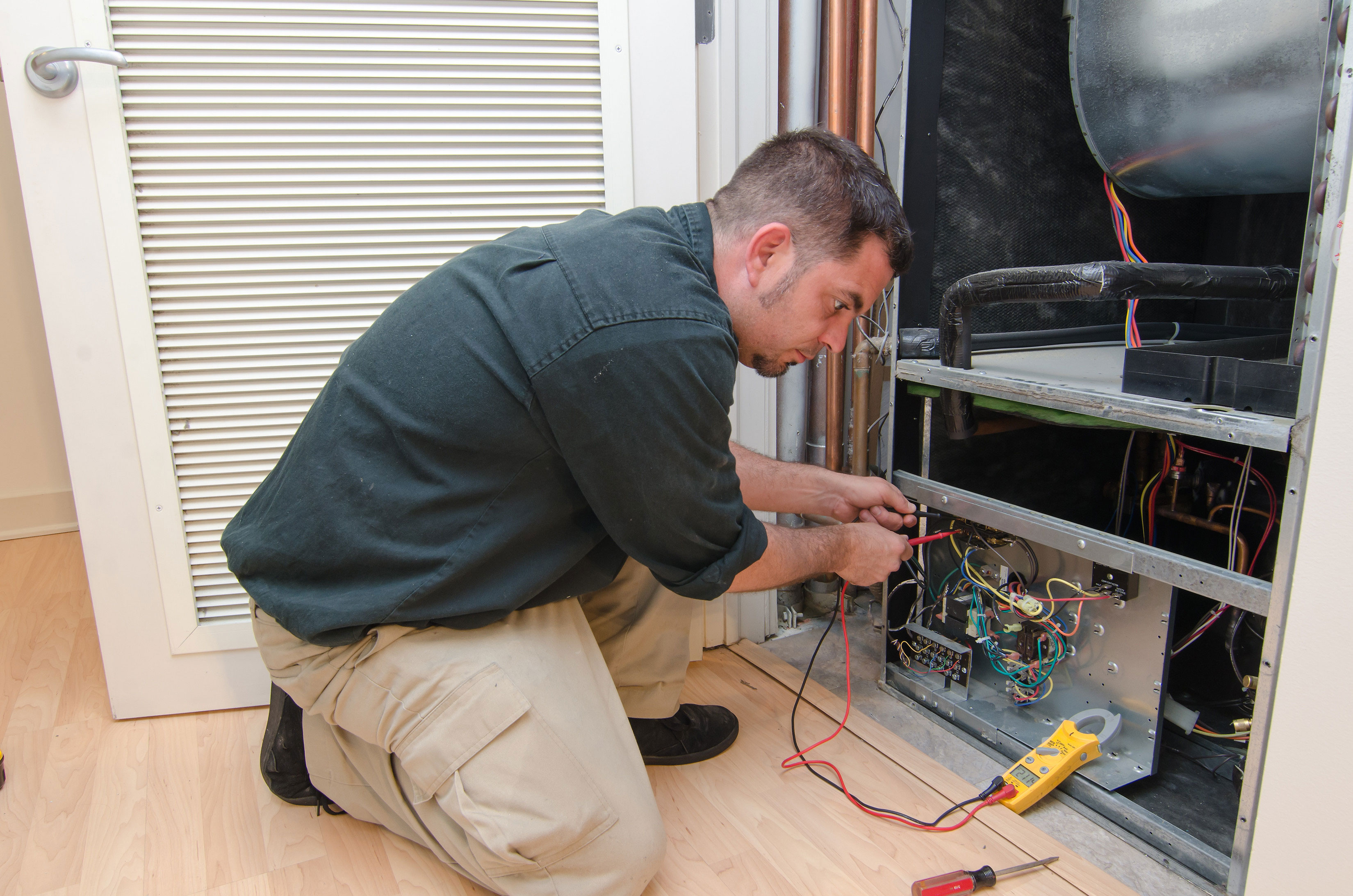
- Inspection of the heat exchanger, burners, and electrical connections for wear or corrosion.
- Measurement of airflow and static pressure through the ductwork.
- Confirmation that equipment capacity matches the home’s square footage, insulation level, and window exposure, since undersized units run continuously and wear out early while oversized units cycle inefficiently.
- Carbon monoxide and safety control testing, particularly for gas furnaces.
Routine maintenance also extends equipment lifespan and keeps warranties valid, which matters in a region where furnaces run heavily during the cooler months. For broader context on efficiency standards affecting heating equipment, the U.S. Department of Energy’s appliance standards program outlines current efficiency requirements for residential heating systems.
Questions to Ask Before Scheduling Service
A short phone call can reveal a lot about how a contractor operates. Asking a few direct questions helps avoid surprises once a technician arrives.
- Is the license active, and can the number be verified through the state board?
- Does the estimate include parts, labor, and disposal of old equipment in writing?
- What brands are installed, and are technicians factory-trained on them?
- Is emergency or same-day service available during a midwinter breakdown?
Based in Pell City, AL, heating and cooling services from this contractor extend to customers throughout Talladega, AL, reflecting how the demand for licensed, responsive HVAC work spans beyond a single city in St. Clair County and the surrounding region.
Frequently Asked Questions
How do I confirm a heating contractor’s license is valid in Alabama? Contractor license numbers can be searched directly through the Alabama Board of Heating, Air Conditioning & Refrigeration Contractors, which maintains current licensing records for the state.
What is the difference between an HVAC Contractor and Refrigeration Contractor license? An HVAC Contractor license covers installation, service, and repair of heating and cooling systems, while a Refrigeration Contractor license applies specifically to commercial refrigeration equipment unrelated to home comfort.
How often should a furnace be inspected? Most manufacturers and technicians recommend an annual inspection before the heating season begins, since routine maintenance helps catch wear before it causes a breakdown.
Does Alabama require heating contractors to carry insurance? Alabama law does not mandate general liability insurance for HVAC contractors, though a performance bond is required for active licensure and most established contractors carry insurance as standard practice.
Business Information
Pell City Heating & Cooling, Inc. operates in Pell City, AL, and is listed as a heating and cooling contractor serving residential and light commercial customers in the surrounding area.
Published licensing and contact details for Pell City Heating & Cooling, Inc. are available for homeowners seeking additional background before scheduling an inspection.