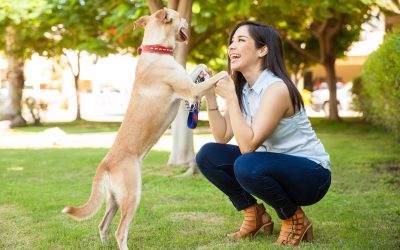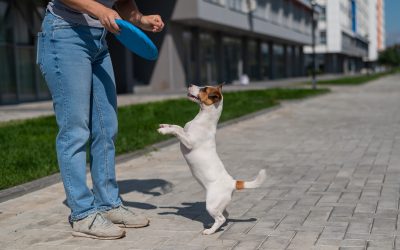
Car ride manners are learned behaviors that help dogs enter, ride in, and exit a vehicle calmly and safely. With consistent dog training, gradual exposure, and suitable rewards, many dogs can become more comfortable during short drives and longer road trips around Peoria, AZ.
Why Do Some Dogs Struggle During Car Rides?
Dogs may become restless in vehicles because of movement, engine noise, changing scenery, unfamiliar smells, or restricted space. Some dogs associate the car only with stressful destinations, while others have never learned what behavior is expected inside a vehicle.
Signs of discomfort may include pacing, whining, barking, panting, drooling, trembling, or trying to reach the driver. These behaviors may reflect uncertainty, motion sensitivity, excitement, or fear.
A dog that regularly vomits, drools heavily, or appears physically unwell during travel should be evaluated by a veterinarian. Training cannot replace medical guidance when motion sickness or another health concern may be involved.
How Can Owners Build Positive Associations With the Car?
Training should begin before the vehicle moves. Owners can invite the dog to approach the parked car and receive praise, foods, or another valued reward. The first goal may simply be standing near the vehicle calmly.
Next, the dog can enter the parked car for a few seconds. The doors can remain open at first, and each session should end before the dog becomes restless.
Owners can gradually close a door, sit in the driver’s seat, start the engine, or remain parked while it runs. Adding one challenge at a time helps the dog learn that the car is predictable rather than overwhelming.
Which Cues Support Safe Vehicle Manners?
Clear cues can make entering and exiting the car more organized. A dog may learn to wait near the door, enter after being invited, settle on a designated surface, and remain in place until released.
The “wait” cue is especially useful at vehicle openings. It may reduce the risk of a dog jumping out before the leash is secured or before the owner has checked the surroundings.
A mat or familiar blanket can define the dog’s riding area. Professional dog training often uses consistent cues and repetition so the dog understands what to do.
How Should Short Practice Drives Be Structured?
The first moving trip should be brief. A drive around the block may be enough for an early session. Owners should choose a quiet time, use a secure restraint system, and avoid combining the lesson with a long outing.
After the drive, the dog can receive praise, play, or another meaningful reward. If the dog remains relaxed, the next trip can be slightly longer. If stress increases, the following session should return to an easier step.
Repeated success matters more than distance. A certified dog trainer may recommend several short drives before increasing duration. This gradual approach helps owners avoid progressing too quickly.
What Safety Steps Matter During Arizona Road Trips?
Dogs should be secured with an appropriate restraint or travel setup so they cannot interfere with the driver. Owners should also prevent dogs from moving freely between seats or leaning far out of windows.
Arizona heat requires careful planning. A parked vehicle can become dangerous quickly, even when the outside temperature seems manageable. Dogs should never be left unattended in a warm vehicle.
For longer trips, owners should schedule breaks in safe locations, offer water, and monitor the dog for overheating or distress. Pavement should be checked before the dog exits because outdoor surfaces can become extremely hot.
How Can Travel Distractions Be Managed?
Dogs may react to motorcycles, pedestrians, nearby vehicles, drive-through activity, or animals seen through a window. Owners can reduce visual stimulation by changing the dog’s position or using an appropriate barrier.
Practice should begin with mild distractions. Reward the dog for looking calmly, returning attention to the owner, or settling after a sound. Asking for difficult behaviors when the dog is overwhelmed is unlikely to support useful learning.
Calm handling matters. One clear cue, followed by enough time for a response, usually provides better communication than repeated cues or visible frustration.
When Can Individual Training Help?
Some dogs need an individualized plan because their reactions are intense, inconsistent, or connected to other behavior concerns. Private sessions can help owners identify triggers, improve timing, and practice manageable steps in the dog’s everyday environment.
Individual support may also help families coordinate cues, rewards, loading routines, and safety procedures. Dog training is most effective when everyone follows the same plan and practices between lessons.
Start Building Calmer Car Rides in Peoria
Safer road trips begin with small, repeatable steps at home. Peoria dog owners can use private dog training to create calmer loading routines, clearer travel cues, and better responses to vehicle distractions. Consistent practice, appropriate rewards, and gradual exposure can help dogs become more comfortable before longer Arizona drives, family outings, veterinary visits, or everyday errands throughout the coming year.