Takeaway:
- A full-service veterinarian clinic typically combines preventive exams, vaccinations, diagnostics, surgery, and dental care under one roof.
- Dental cleanings and oral health evaluations are a core preventive service, since most dogs and cats show signs of dental disease by age three.
- Columbus, OH pet owners can expect anesthesia-based cleanings, X-rays when needed, and home care guidance as part of routine dental visits.
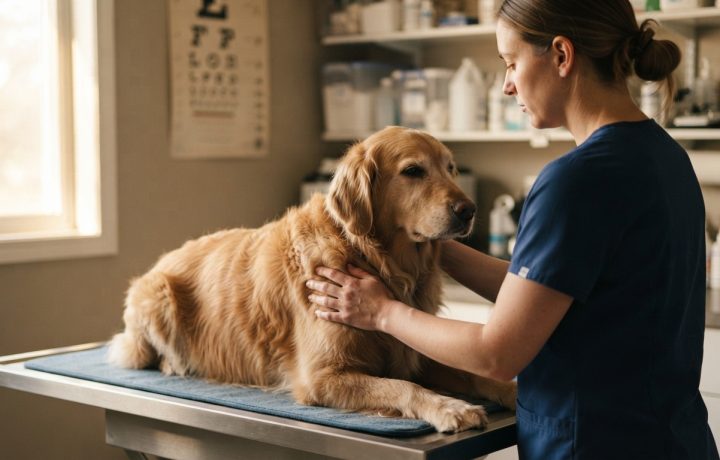
Pet owners searching for a Veterinarian Clinic are usually looking for a practice that covers preventive exams, dental care, diagnostics, and surgical services without requiring referrals to multiple locations. A full-service clinic typically bundles these capabilities together, and a full-service veterinarian clinic typically offers wellness exams, vaccinations, dental care, diagnostics, and surgery, all available under one roof, which means fewer referrals and more consistent care for a pet.
Dental health is one of the most consistently emphasized services among these offerings. Most dogs and cats have some evidence of periodontal disease by the age of three, which makes routine oral evaluations a practical part of any wellness plan rather than an optional add-on.
What a Dental Visit Typically Involves
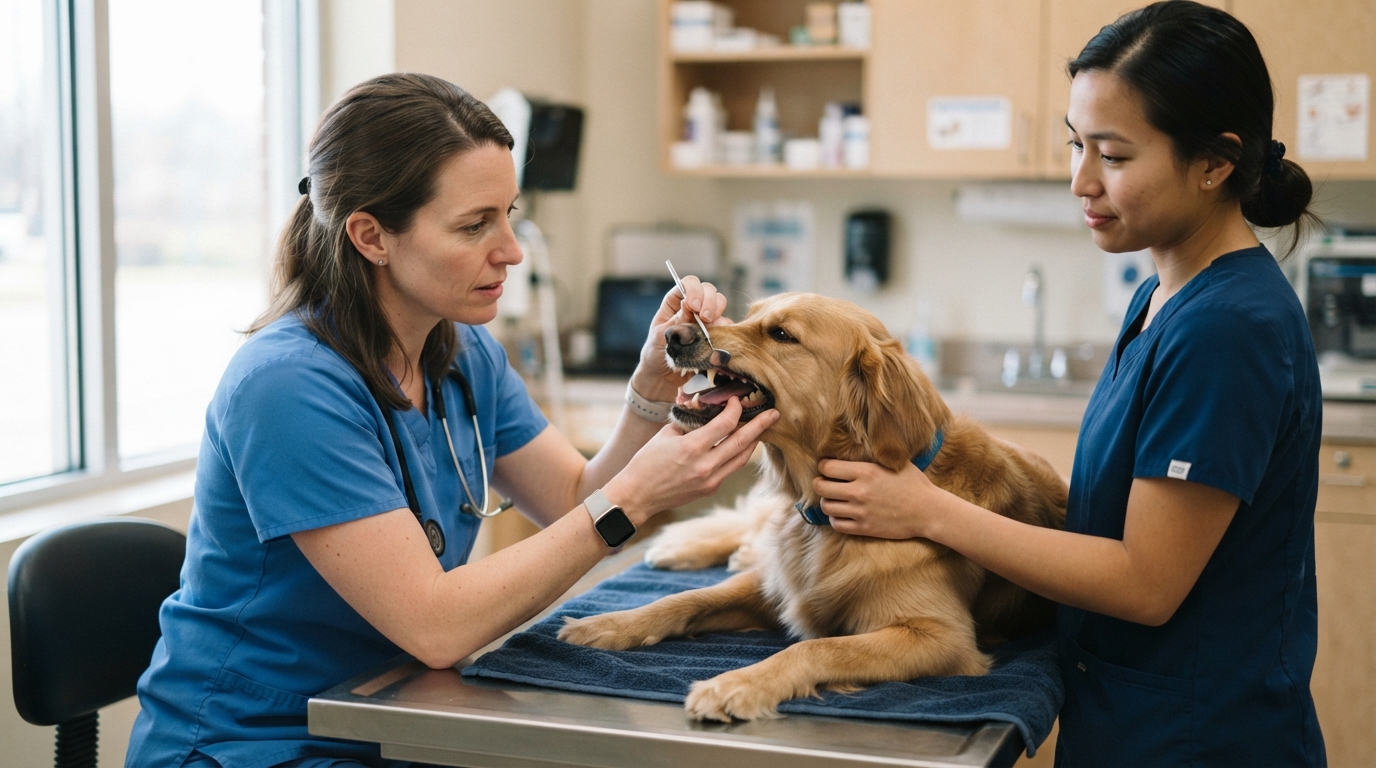
Dental appointments at a full-service clinic generally follow a structured process designed to protect the pet’s comfort and allow a thorough exam.
- Anesthesia-based examination. Anesthesia allows the veterinarian to examine every surface of each tooth, probe below the gumline, take dental X-rays if needed, and perform any necessary extractions without causing distress.
- Below-the-gumline inspection. Because most dental disease occurs below the gumline, where it cannot be seen, a thorough dental cleaning and evaluation are performed under anesthesia.
- Periodontal disease staging. Periodontal disease is graded on a scale of 0 (normal) to 4 (severe), which helps determine whether a pet needs a standard cleaning or more advanced treatment.
Anesthesia-free cleanings are sometimes marketed as a gentler alternative, but they carry limitations worth understanding. According to the American Veterinary Medical Association, the American Veterinary Dental College does not recommend dental cleanings without anesthesia because they do not allow cleaning or inspection below the gumline, where most dental disease occurs, and can result in injury to the pet or the person performing the procedure.
Signs That Warrant a Dental Evaluation
Pet owners in Columbus, OH do not need to wait for a scheduled annual visit if warning signs appear. Veterinary guidance points to several red flags that justify an earlier exam.
- Persistent bad breath or halitosis
- Visible tartar buildup or discolored teeth
- Red or swollen gums
- Reluctance to chew, drooling, or dropping food
- Broken, loose, or missing teeth
Pet parents should also have their pet’s teeth examined if they witness any of the following problems: bad breath, broken or loose teeth, extra teeth or retained baby teeth, teeth that are discolored or covered in tartar, and abnormal chewing, drooling, or dropping food. Left unaddressed, periodontal disease can extend beyond the mouth. Other health problems found in association with periodontal disease include kidney, liver, and heart muscle changes.
Professional Cleanings vs. Home Dental Care
| Factor | Professional Dental Cleaning | Home Dental Care |
|---|---|---|
| Who performs it | Veterinarian or veterinary technician | Pet owner |
| Requires anesthesia | Yes, for a full exam and cleaning below the gumline | No |
| Frequency | Typically annual, more often for some pets | Several times per week |
| Primary purpose | Treats existing plaque, tartar, and disease | Slows new plaque buildup between visits |
Daily or near-daily brushing remains the most effective home habit, though research cited in the Journal of Veterinary Dentistry demonstrated that only 2% of dog owners follow this practice. Combining consistent home care with scheduled professional cleanings gives pets the best chance of avoiding advanced periodontal disease.
Business Info
Dental services at a full-service veterinarian clinic are part of broader preventive and surgical care offered to area pet owners. Based in USA, Great Southern Animal Hospital serves pet owners across Columbus, OH, with dental evaluations positioned as one component of a wider preventive care model that also includes wellness exams, vaccinations, and diagnostics.
Frequently Asked Questions
How often should a pet have a professional dental cleaning? Veterinary guidance generally recommends an annual cleaning starting around age two, though a veterinarian can adjust this interval based on a pet’s individual oral health and breed-related risk factors.
Is dental care safe for older pets? Dental care can be safe for senior pets when approached carefully, typically with pre-procedure bloodwork and careful anesthesia monitoring to account for age-related health conditions.
What happens if periodontal disease goes untreated? Progression from early tartar buildup to severe gum recession and tooth loss can occur, and the inflammation has been linked to effects on internal organs beyond the mouth.
Can anesthesia-free cleanings replace a full dental exam? No; veterinary dental authorities advise against relying on anesthesia-free cleanings alone, since they cannot address problems below the gumline where most dental disease develops.
Current scheduling and service area information for Learn more about Veterinarian Dental Care is available to pet owners in the surrounding region.