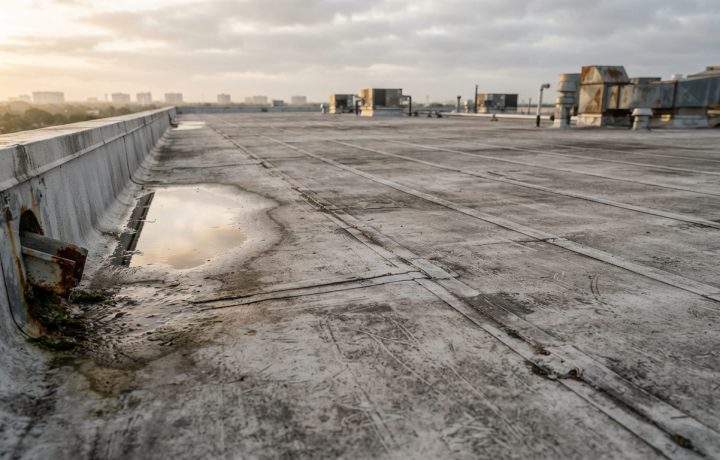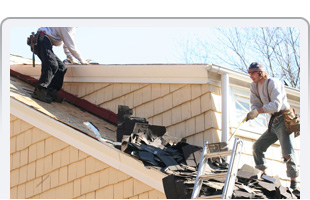

Hail can leave a roof looking unchanged from the ground while damaging shingles, flashing, vents, or gutters. Because problems may not appear until the next rain or windstorm, it helps to know what to watch for and when to get an inspection. If you’re looking for help after a storm, searching for local roof repair in Erie, CO can connect you with repair information specific to the area.
Signs Your Roof May Need Attention
Call a roofing professional if you notice water stains on ceilings or walls, active drips, damp insulation, or a musty smell in the attic. Outside, check from the ground for missing, lifted, or cracked shingles; damaged flashing; bent vents; and dents in metal gutters or downspouts. Hail can also knock protective granules from asphalt shingles, sometimes leaving dark, rough-looking spots.
Not every dent proves the roof is damaged, and not all hail damage is visible from the ground. A qualified inspection can identify bruising, loosened shingles, or compromised seals that could shorten a roof’s life. Avoid climbing onto a wet or damaged roof to investigate. Slippery surfaces, loose materials, and steep pitches create serious fall risks.
How Soon Should You Call?
Contact a roofer promptly if you have a leak, visible openings, or damage around a vent, chimney, or skylight. Water can spread through insulation and framing, so even a small leak deserves attention. If the roof appears intact and there are no signs of water inside, schedule an inspection soon rather than waiting for the next storm. Hidden damage can worsen with continued exposure to rain, snow, and Colorado’s freeze-thaw cycles.
After severe weather, reputable contractors may be busy. When you call, describe the storm date, any visible damage, and whether water is entering the home. Ask when an inspection is available and whether temporary protection is needed. If water is actively coming in, move belongings away, use a container to catch drips, and contact a professional about safe temporary measures. Do not attempt roof repairs yourself.
Document the Damage and Review Your Coverage
Take photos of visible damage from a safe location, and note when you first noticed leaks or other problems. Keep receipts for emergency services and any materials used to protect your belongings. Before authorizing major work, review your homeowners insurance policy and ask your insurer about the claims process and applicable deadlines. Coverage depends on the policy, the cause of damage, and the insurer’s assessment, so avoid assuming that every mark or repair will be covered.
An inspection can help clarify whether the roof needs a repair, further evaluation, or no immediate work. Request a written description of the findings and proposed repairs. A clear explanation makes it easier to compare recommendations, communicate with your insurer, and decide what to do next.
After a hailstorm, act quickly when you see leaks or obvious damage, but don’t risk your safety to inspect the roof yourself. Document what you can from the ground, arrange a professional assessment, and address urgent water entry promptly. Early attention can help prevent a manageable roof problem from becoming more extensive interior damage.