Water damage often starts with a small problem: a slow drip beneath a sink, a weak supply line, or a drain that empties more slowly than usual. Because moisture can spread behind walls and under flooring before it becomes visible, prompt attention matters. Homeowners searching online for plumbing services in Arvada, CO are often looking for ways to catch these issues early and protect their property.
Finding Leaks Before They Spread
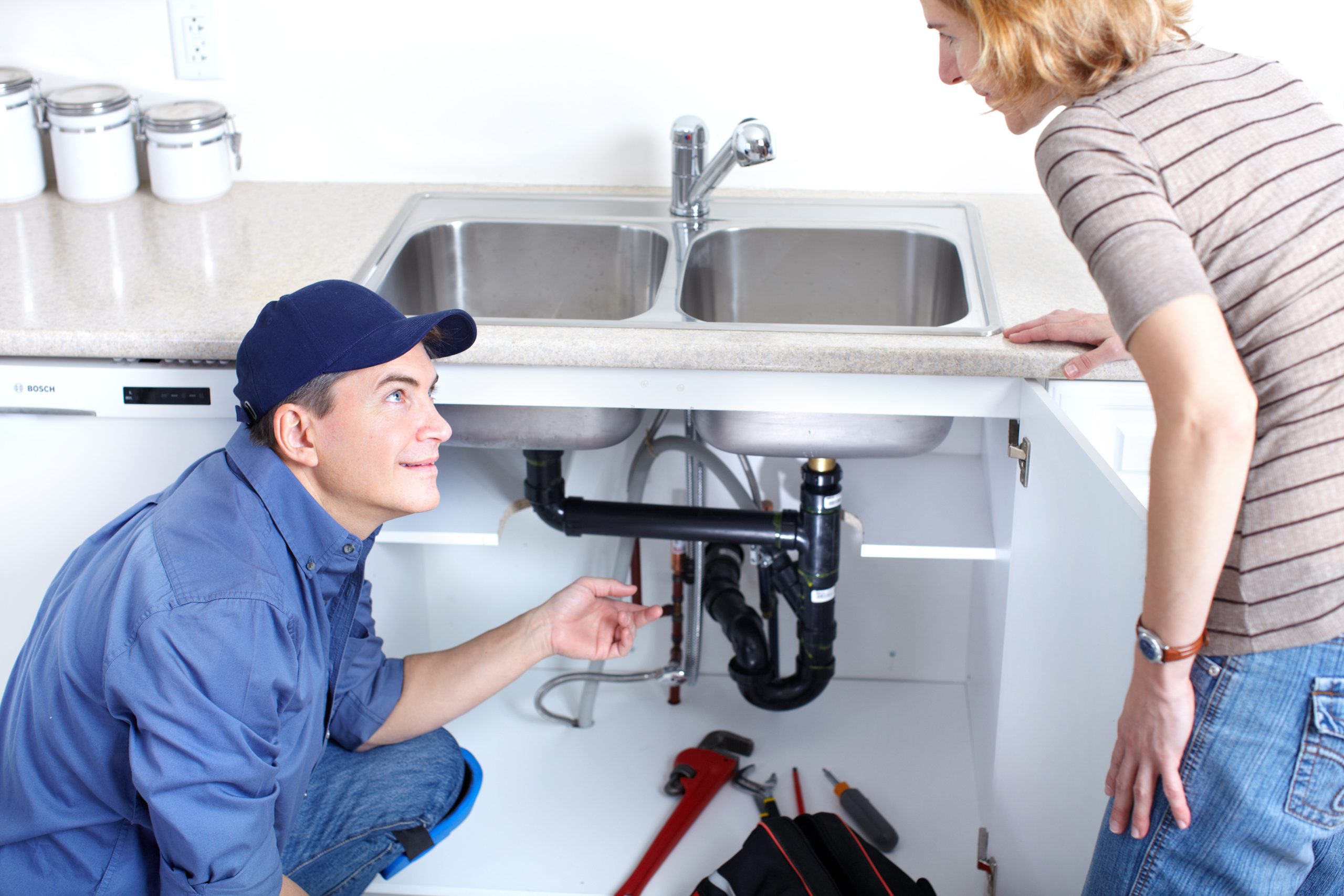
A qualified plumber can inspect vulnerable areas, including connections under sinks, around toilets, near water heaters, and along exposed pipes. Technicians may use pressure tests, moisture meters, or other diagnostic tools to locate hidden leaks without unnecessary demolition. Early detection can help prevent damaged drywall, warped floors, mold growth, and repairs to cabinets or insulation.
Homeowners can also watch for warning signs between professional visits. An unexplained increase in the water bill, musty smells, damp spots, peeling paint, or the sound of running water when fixtures are off may indicate a leak. If a pipe bursts, shut off the main water supply if it is safe to do so, then arrange for prompt repair.
Preparing for Arvada’s Seasonal Conditions
Cold winter weather can put plumbing at risk. Water expands as it freezes, creating pressure that may crack pipes in exterior walls, garages, crawl spaces, or other poorly insulated areas. Before freezing temperatures arrive, insulate exposed pipes, disconnect garden hoses, and seal drafts near plumbing. During a severe cold snap, keeping indoor temperatures steady and opening cabinet doors beneath sinks can help warm air reach pipes.
A plumber can identify sections that need insulation, check outdoor faucets, and recommend steps suited to a home’s layout. If a pipe freezes, avoid using an open flame to thaw it. A hair dryer or warm towels may help with an accessible pipe, but call a professional if you cannot locate the frozen section or suspect a crack.
Maintaining Drains and Fixtures
Clogged drains can cause water to back up into sinks, tubs, or floor drains. Routine maintenance helps reduce that risk. Avoid pouring grease down kitchen drains, use drain screens to catch hair and debris, and don’t flush wipes or other products that can obstruct pipes. If multiple drains are slow or you notice recurring backups, the problem may be deeper in the drain line and require professional assessment.
Regular checks of fixtures and appliances can prevent failures, too. Look for cracked toilet components, loose faucet connections, and bulging or brittle washing machine hoses. Replacing worn parts before they fail is usually simpler and less expensive than addressing the water damage that follows.
Make Prevention Part of Home Care
A periodic plumbing inspection can reveal developing problems that are easy to overlook during everyday routines. Ask about the condition of shutoff valves, water-heater connections, supply lines, and drainage. Knowing where the main shutoff is—and making sure it works—can also limit damage if a leak occurs.
Small warning signs deserve attention, especially when they appear repeatedly. Timely inspections, sensible cold-weather preparation, and careful use of drains all help reduce the chance of a costly emergency. With proactive maintenance and quick action when something seems wrong, homeowners can protect their property and avoid turning a minor plumbing issue into extensive water damage.