A light that flickers once when an appliance starts may not signal a crisis, but repeated electrical changes deserve attention. If you’re searching online for electrical repair services in Fort Collins, CO, it helps to know which warning signs call for a professional and what to do while you wait.
Warning signs you shouldn’t ignore
Some electrical problems are easy to miss because they start intermittently. Keep an eye out for:
- Frequent breaker trips: A breaker that trips repeatedly may be responding to an overloaded circuit, a wiring problem, or a faulty appliance. Resetting it over and over does not address the cause.
- Burning smells, warmth, or discoloration: An outlet or switch that feels hot, smells scorched, or has dark marks may indicate overheating. Stop using it and arrange a prompt inspection.
- Sparking, buzzing, or crackling: A brief spark when plugging in a device can sometimes occur, but persistent sparking or unusual sounds from an outlet, panel, or switch need professional attention.
- Shocks or tingling: Feeling a shock when touching an appliance or switch is not normal. Discontinue use and request help.
- Dimming lights or dead outlets: These issues may stem from a loose connection or another circuit concern, especially when several areas are affected.
When the situation is urgent
Smoke, visible flames, or a strong burning odor can signal an immediate hazard. Leave the area and call 911 if there is fire or smoke. Don’t touch a sparking panel, pull plugs from a hot outlet, or use water on an electrical fire. If you can reach the main breaker safely without going near smoke, heat, or exposed wires, switching off power may help; otherwise, wait for emergency responders.
For less immediate problems, turn off and unplug the affected device if it is safe to do so. Avoid using an outlet or switch that is hot, damaged, or making noise. Keep children and pets away, and don’t remove outlet covers or open the electrical panel to investigate.
Why a professional repair matters
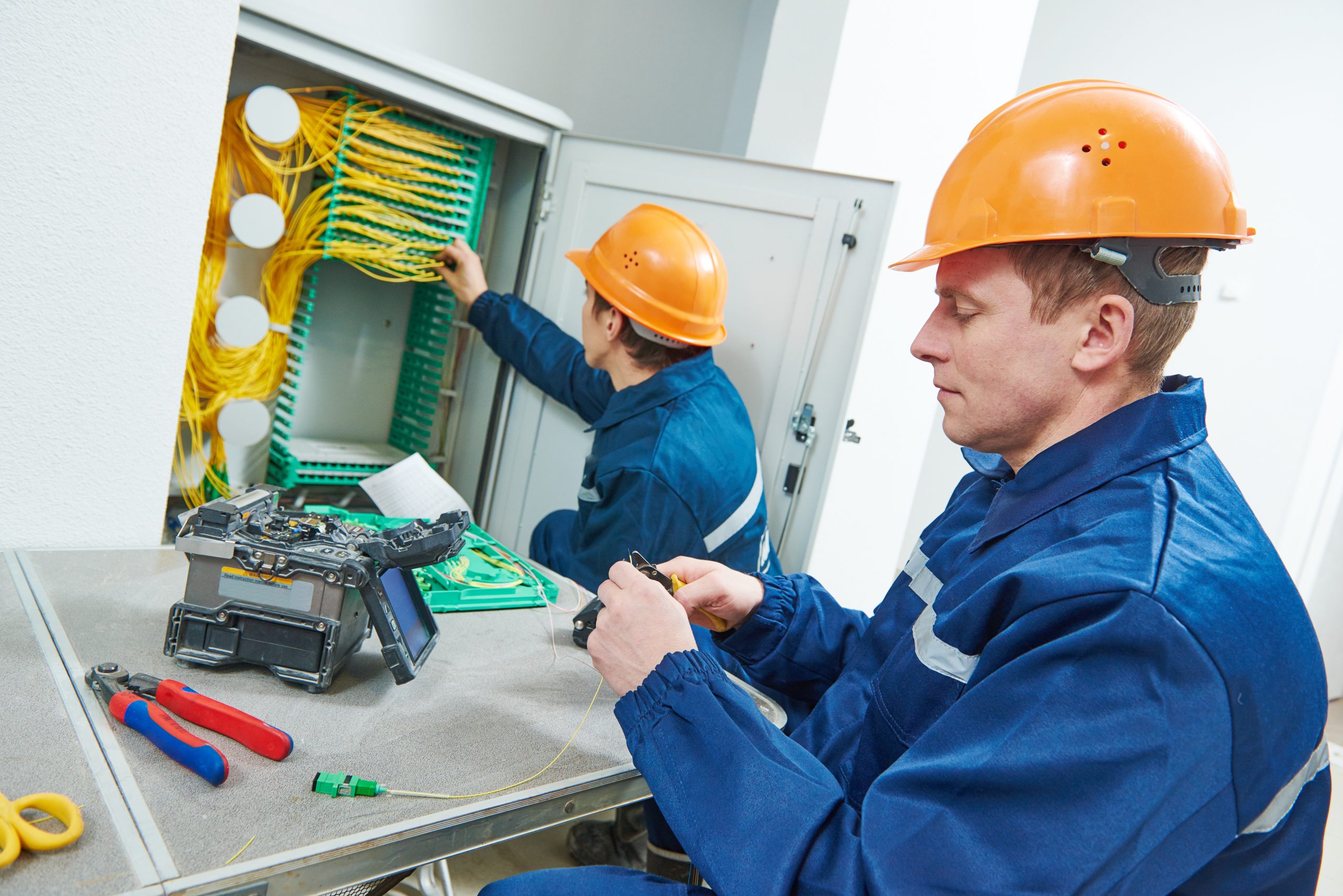
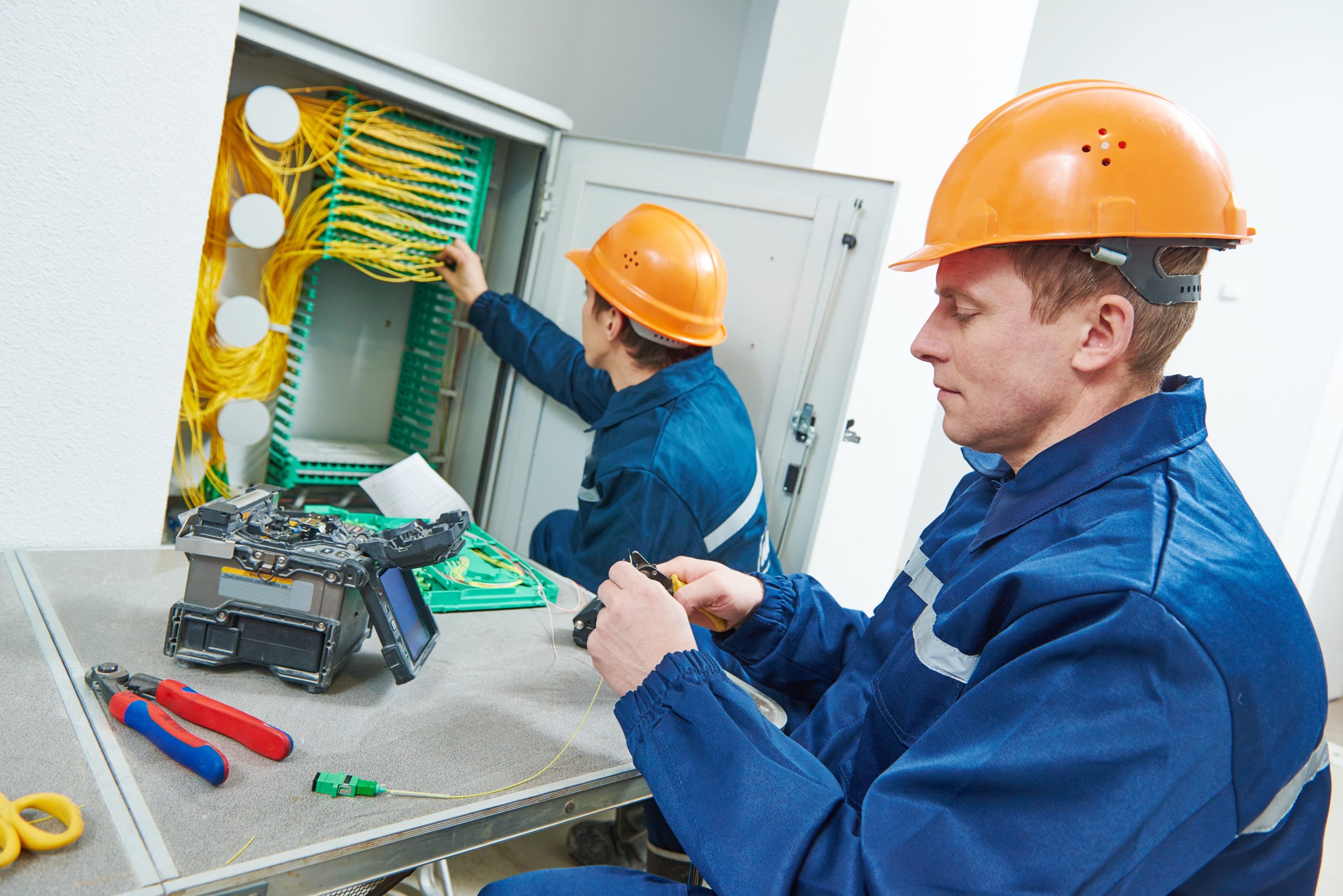
Electrical work involves more than replacing a switch or tightening a connection. A qualified electrician can identify whether a symptom comes from the wiring, circuit load, panel, or connected equipment, then recommend a repair suited to the cause. Professional evaluation is especially important for recurring faults, damaged wiring, panel issues, new circuits, and work that may require a permit or inspection.
Avoid DIY repairs that involve opening a panel, handling wiring, or working near energized components. Turning off a wall switch does not necessarily de-energize the wires behind it. If you’re unsure whether a task is safe or permitted, leave it to a professional.
What to do before the appointment
Make a note of when the problem occurs, which rooms or devices are affected, and whether a breaker trips. Share any recent changes, such as adding an appliance or noticing water near an outlet. This information can help the electrician narrow down the issue. Don’t deliberately recreate a dangerous symptom to demonstrate it.
Prompt attention can prevent a small fault from becoming a larger safety concern. Treat repeated breaker trips, hot outlets, odd smells, shocks, and persistent flickering as reasons to seek an inspection, and keep clear of any immediate hazard. Safe troubleshooting starts with recognizing when not to handle the repair yourself.